Is There a Completion Deadline for VA Renovation Loans?
Yes, VA renovation loans come with a required completion deadline. The Department of Veterans Affairs expects that all alteration and repair work financed under the loan program be finished within a set period. The standard timeline is 180 days from the date the loan closes, though extensions are possible in some situations. Understanding this rule matters because missing the deadline can affect your financing and your project.
VA alteration and repair loans are designed to help veterans buy or refinance a home and make improvements at the same time. The loan covers both the purchase or refinance and the cost of eligible repairs, upgrades, or structural work. Because the repairs are part of the loan amount, the VA wants assurance that the work gets done. The completion deadline is one of the safeguards they use to keep the program running smoothly.
How the 180-Day Deadline Works
The clock starts ticking on the day your loan closes. From that point, you have six months to finish all the repairs listed in your renovation plan. This includes everything from minor alterations like painting or flooring to major projects such as foundation repair or roof replacement. The VA expects that the work will be done within that window, and the lender will usually hold a portion of the loan funds in an escrow account until the improvements are completed and inspected.
If you run into delays, you are not necessarily out of options. Lenders can request an extension on your behalf, but they need a good reason. Common reasons include weather that slows outdoor work, delays in getting permits, or a contractor falling behind schedule. The VA typically grants one extension of up to 12 months, but it is not automatic. Your lender must show that the delay is beyond your control and that the work will be finished within the new timeframe.
It is worth noting that lenders themselves can add their own rules on top of VA guidelines. This extra layer is called a lender overlay. Some lenders might require a shorter deadline or stricter documentation. For example, a lender might insist that certain structural work be completed within 90 days instead of 180. Ask your loan officer or mortgage specialist about any overlays that could affect your timeline.

What Happens If You Miss the Deadline?
If the repairs are not finished by the deadline and no extension is approved, the consequences depend on your specific loan and lender policy. In many cases, the VA will require the lender to release the remaining escrow funds only for completed work, and any unfinished improvements may need to be paid for out of pocket. The lender could also report the delay to the VA, which might affect your eligibility for future VA loan benefits.
In more serious situations where the work never gets done, the VA could classify the loan as non-compliant. That can lead to increased scrutiny on your next loan application or even a denial. For veterans planning home improvements, missing the deadline is something to avoid if possible. It is much better to plan realistically and ask for an extension early if you see trouble ahead.
Carlos Scarpero, VA Mortgage Specialist, NMLS 1674385, often points out that clear communication with your lender and contractor is the best way to stay on track. Knowing your timeline at the start helps you avoid last-minute surprises.
Projects That Fall Under VA Renovation Loans
Not every home improvement qualifies for a VA renovation loan. The program focuses on work that improves the livability, energy efficiency, or structural soundness of the home. Examples include replacing an old furnace, fixing a leaky roof, updating electrical or plumbing systems, and making accessibility improvements. Cosmetic upgrades like new countertops or landscaping may also be covered if they are part of a larger renovation plan.
One key point is that the VA requires the home to meet its Minimum Property Requirements (MPRs) after the work is done. This means the repairs must bring the home up to basic standards of safety, sanitation, and structural integrity. If the work is too minor or too extensive, it might not fit the program. Your lender and a VA-approved appraiser will review your renovation plan before closing to make sure the scope is appropriate.
Planning Your Renovation Timeline Realistically
Starting a renovation project while also closing a loan can feel overwhelming. The best approach is to map out the work before you commit to a timeline. Talk to contractors early and get realistic estimates for how long each phase will take. Build in a buffer for unexpected issues like material shortages or bad weather. If your project is large, consider breaking it into phases that can be completed within the 180-day window.
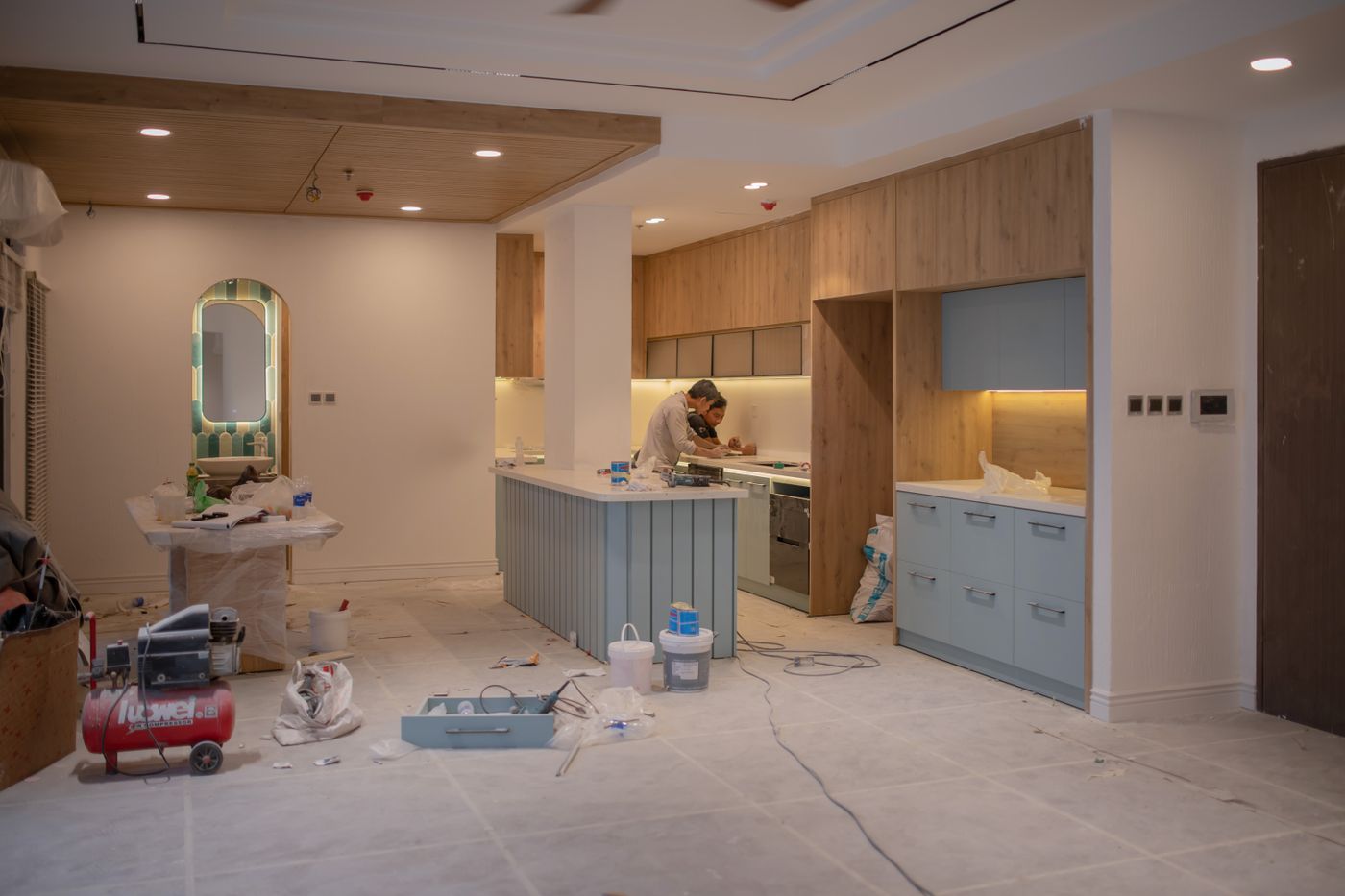
Keep in mind that the VA also requires a final inspection after the work is done. This inspection verifies that all repairs listed in your renovation plan have been completed and that the home meets MPRs. The inspection must be ordered before the deadline, and the lender needs time to review the inspector's report and release the escrow funds. Factor in that extra week or two when scheduling the work.
If you are unsure about any step, ask your loan officer or mortgage specialist. They have seen many renovation loans go through and can give you practical advice on what works. Carlos Scarpero, VA Mortgage Specialist, NMLS 1674385, recommends confirming your lender's specific procedures for ordering the final inspection and releasing funds. Small details like these can make a big difference in staying on schedule.
What About Homes That Need Major Structural Work?
Homes requiring extensive structural work, such as foundation repair or major roof replacement, often take longer to finish. The VA does allow for longer timelines in these cases, but you need to discuss it with your lender upfront. Some lenders may require a separate construction loan or a different type of financing for very large projects. The VA renovation loan works best for projects that can realistically be finished in six months.
If your renovation involves structural work, your contractor should be able to give you a detailed schedule. Share that schedule with your lender before closing so everyone agrees on the timeline. If the project genuinely cannot be completed in 180 days, ask about the possibility of a longer completion period through a VA-approved extension or a different loan product.
Staying on Top of the Process
The completion deadline is not meant to be a trap. It exists to protect you, the lender, and the VA. By finishing the repairs on time, you ensure that the home is safe and livable, and you avoid any negative impact on your loan. The key is to plan carefully, communicate often, and ask for help when you need it.

Keep copies of all contracts, permits, and inspection reports. Track progress against your schedule and flag any delays immediately. If a contractor falls behind, talk to your lender about requesting an extension as soon as you know the original deadline will be missed. Waiting until after the deadline passes makes things much harder.
Veterans planning home improvements often find that the VA renovation loan is a powerful tool. It lets you finance both the home and the repairs in one loan with favorable terms. By understanding the completion deadline and working with experienced professionals, you can make the process smooth and successful.